AN
AN
 Free
FreeGidan littattafan Hausa na zamani
FreeDescription
1. Deep-Dive Description
This expansion explores the rich atmospheric, psychological, and sociological layers embedded within the Hausa narrative text.
The Geography of Flight and Sanctuary
- The Contrast of Cities: The narrative establishes a vivid spatial dichotomy. It opens in the sweltering, chaotic urban sprawl of Lagos—characterized by gridlock (babu masaka tsinke), exhausted workers rushing home, and the intense sensory overload of a megalopolis. This physical chaos mirrors Rukayyah's internal turmoil.
- The Sanctum of Hajia's Estate: In contrast, Hajia Umaimah’s expansive estate in Lagos functions as a psychological sanctuary. Described with towering white iron gates (Mahdi-ka-ture), soft green artificial grass, and fragrant cooling flora, it represents a haven of safety, elite comfort, and maternal protection where Rukayyah seeks refuge from the patriarchal pressures of Jalingo.
Character Archetypes and Visual Signifiers
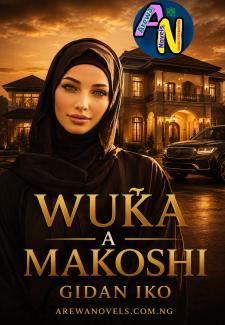
- Rukayyah’s Identity and Presentation: Rukayyah is meticulously crafted as an elite, modern Northern Nigerian woman. Her physical description—tall (doguwar Bafillatana), elegant (santaleliya), sharp eyebrows, pink lipstick matching her dark pink Shadda, and Chinese-made Yue Jin handbag—signals a woman of means, self-care, and refined taste. Her Western-influenced aesthetic combined with traditional values highlights the modern duality of educated youth in contemporary Northern fiction.
- Hajia Umaimah: The matriarch embodies timeless grace. At around fifty years old yet looking forty, she bridges traditional religious devotion (spending hours in dhikr with her thousand-bead rosary) with progressive emotional intelligence, serving as Rukayyah’s true emotional anchor.
- Rabi’s Comic Relief and Foil: The housekeeper Rabi introduces a vital working-class perspective. Her lighthearted banter, dramatic ululations (Ayyururiiiiii), and nostalgic memories of her late husband, Audu, provide a grounding realism that contrasts sharply with the bourgeois drama of Rukayyah's failed engagement.
2. Expanded Summary
The narrative details Rukayyah Usman Jalingo’s dramatic escape from her home in Jalingo, Taraba State, to the sanctuary of her guardian, Hajia Umaimah, in Lagos. Traveling completely alone and exhausted by a two-day train journey, Rukayyah arrives unannounced, sparking immediate alarm from both Hajia and her distant mother, Amina.
Once settled in the tranquil, luxurious estate, Rukayyah's usual bubbly and energetic demeanor is replaced by a profound, depressive lethargy. Pressed gently by Hajia—who promises to stand by her against her father Usman's authoritarian matching—Rukayyah confesses the catalyst for her flight: her fiancé, Aliyu.
Aliyu had successfully wooed Rukayyah by presenting himself as an unmarried, sophisticated bank worker who shared her dream of an exclusive, monogamous marriage. However, through her university roommate Nanah in Gombe, Rukayyah uncovered a devastating web of deception: Aliyu is actually a local businessman with a wife (Aunty Aysha), children, and a domestic life in Gombe. Witnessing this reality firsthand in Aliyu's home shattered Rukayyah's trust. Haunted by childhood trauma from her own father taking a second wife, Rukayyah chooses defiance over silent submission, fleeing across the country to dismantle an unwanted union built entirely on lies.
3. Comprehensive Analytics
Psychological & Sociological Dynamics
- The Generational Clash on Marriage: The conflict exposes a deep chasm between parental pragmatism and youth idealism. To Rukayyah’s father, Usman, Aliyu is a "good catch" (financially stable, educated), making Rukayyah's reluctance look like youthful fickleness (giggiwa). To Rukayyah, character, honesty, and non-negotiable boundaries (zero polygamy) outweigh material security.
- The Anatomy of Deception: Aliyu’s character represents a critique of modern courtship fraud—men who strategically conceal existing marriages to trap modern, educated women who would otherwise reject polygamous arrangements.
- Female Solidarity Networks: The story highlights the power of informal female networks. From roommate Nanah acting as an accidental whistle-blower to guide Rukayyah to the truth, to Mama conspiring on the clandestine train escape, and Hajia providing a safe harbor, female solidarity acts as the ultimate survival mechanism against patriarchal pressure.
4. Literary Comments
- Stylistic Hybridity: The text exemplifies contemporary popular Hausa literature (often associated with Littattafan Soyayya or modern social drama), seamlessly blending formal narrative prose with colloquial English insertions ("I'm very very tired," "At last she escape," "visiting") that reflect the speech patterns of educated urban youth in Northern Nigeria.
- Sensory Engagement: The author employs rich sensory details—the scent of flowers, the roar of a car engine causing stomach knots, the sticky heat of Lagos traffic, and the visual contrast of Rukayyah's tear-stained face against her fair complexion—to pull the reader directly into the emotional gravity of the scene.
5. Final Conclusions
This excerpt captures a pivotal threshold moment in feminist-leaning Northern Nigerian narrative art. Rukayyah’s journey is not merely a romantic dispute; it is a profound reclamation of bodily and emotional autonomy. By choosing physical displacement (traveling all the way to Lagos) over psychological imprisonment in a deceitful marriage, she redefines the agency of the modern Northern woman. The narrative leaves readers poised on the edge of an inevitable family showdown in Jalingo, where traditional parental authority must reckon with an awakened, unyielding daughter.