AN
AN
 Free
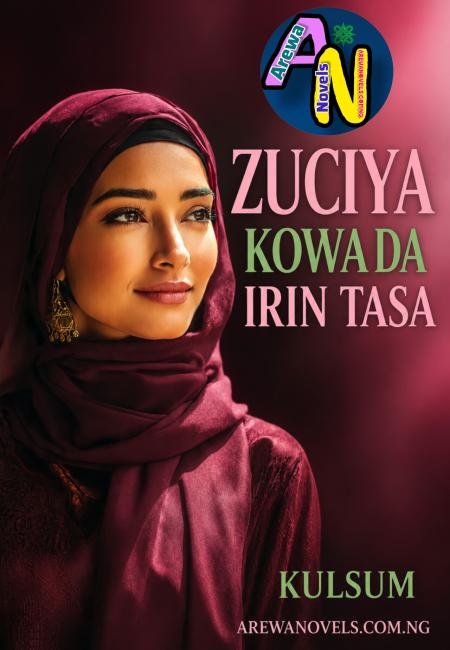
FreeGidan littattafan Hausa na zamani
FreeDescription
Detailed Summary
Part 1: The Abuja Estate & Domestic Power Plays
The narrative opens in Abuja, establishing the grandeur and high-status lifestyle of Ya Ahmad, a high-ranking military officer returning to his luxury estate. His homecoming is met with rigid coldness mixed with entitlement from his wife, Lubna (Nabla), who despite knowing his arrival date, chose to sleep through it. Lubna’s toxic authority is showcased immediately through her cruel and tyrannical treatment of her maid, Precious, whom she physically slaps and emotionally degrades for failing to wake her up on time.
Ahmad demonstrates a contrasting blend of emotional detachment and physical dominance. He is cold, easily annoyed by inefficiency, yet deeply tied to physical intimacy and domestic entitlement. Shortly after, Ahmad visits his parents (Ammy and Abbu). During this family gathering, Abbu instructs him to visit his estranged aunt, Aunt Larai, in Zaria before embarking on a five-month military deployment to Russia—a directive Ahmad dislikes due to past family friction, though he ultimately agrees out of respect for Ammy’s religious counsel regarding filial obedience.
Part 2: Zaria & The Perilous Life of NJ (Najibah)
Shifting scenes to Zaria, the focus moves to NJ (Najibah), a naive 15-year-old secondary school student living under a harshly oppressive guardianship. While her household (overseen by strict guardians like Ya Abubakar and monitored by her sister Ummita) relies on corporal punishment and severe isolation, NJ seeks illicit escape through an older, charismatic boyfriend named Najib.
NJ sneaks out of home chores to meet Najib, attending a hotel birthday party where she faces uncomfortable physical boundaries and the constant anxiety of getting caught. Her worst fears materialize when she returns home and collides with Ya Abubakar, who subjects her to brutal physical abuse (knuckle knocks and head smacks) and issues terrifying ultimatums about future movements. Despite the physical torment and the looming threat of exposure from her guardian, NJ continues her dual life—balancing Quranic studies and school with the psychological weight of forbidden romance and domestic tyranny.
Expanded Description
- Literary Genre & Style: This text is a prime example of modern Nigerian popular fiction, specifically falling into the genre of contemporary Hausa romance and domestic drama (Littattafan Soyayya style). It blends colloquial Northern Nigerian street culture, Islamic framing (such as religious references to haram and ablution), and high-drama romantic fiction tropes.
- Geographical Contrast: The story uses geography as a character driver:
- Abuja represents wealth, corporate/military power, modern luxury, and emotional stagnation.
- Zaria represents traditional constraints, poverty, strict community policing, domestic violence, and vulnerable youth rebellion.
- Core Conflict Dynamics: The narrative is built entirely around power imbalances—men holding power over women (Ahmad over his household, Najib over NJ, Abubakar over NJ), and women with localized power abusing those beneath them (Lubna abusing Precious, Gwaggo/Ummita policing NJ).
In-Depth Analytics
Character Psychology & Archetypes
- Ya Ahmad (The Complex Enigma): He embodies the classic romance archetype of the stoic, hyper-masculine military man (soja). He demands order, commands absolute respect, and handles domestic friction with cold indifference. However, he is also vulnerable to family pressure (Ammy) and physical attachment, revealing a double standard where he demands submission while navigating his own familial resentments.
- Lubna / Nabla (The Tyrant of Privilege): Lubna represents emotional manipulation and spoiled pride. Secure in her husband's physical attraction to her, she projects her insecurities downward by terrorizing her domestic help, illustrating how cycles of dominance repeat within high-class settings.
- NJ / Najibah (The Vulnerable Trapped Youth): At 15, NJ is a study in cognitive dissonance and adolescent survival. She rebels against hyper-strict guardianship by seeking validation from a manipulative older man (Najib), while simultaneously maintaining strict adherence to religious rituals (Quranic reading, prayers). Her character highlights the dangers young girls face when lacking emotional safe spaces at home.
- Ya Abubakar & Gwaggo (The Enforcers of Traditional Discipline): They represent the brutal, authoritarian side of traditional upbringing. Their methods rely strictly on fear, physical violence (rankwashi), and psychological intimidation, which inadvertently drives young girls like NJ into secretive, riskier behaviors.
Thematic Analysis
- Authoritarianism Across Social Strata: A brilliant structural element of the story is how tyranny exists at every level. In Abuja, Ya Ahmad commands through military authority, and Lubna commands through class privilege over Precious. In Zaria, Abubakar and Gwaggo command through patriarchal and physical dominance over NJ. The narrative subtly shows how power corrupts interpersonal relationships regardless of wealth.
- The Cost of Secrecy: Secrecy is a driving plot mechanism. Whether it is Lubna hiding her lack of preparedness from Ahmad, or NJ hiding her dates with Najib behind a veil of school errands, secrecy functions as both a survival mechanism and a ticking time bomb destined to trigger explosive conflict.
- Transactional Intimacy: Relationships in the text frequently carry transactional undertones—Lubna trading her compliance for financial demands ("check my account, give me money, my soldier"), and Najib leveraging romantic attention to manipulate a 15-year-old girl.