AN
AN
 Free
FreeGidan littattafan Hausa na zamani
FreeDescription
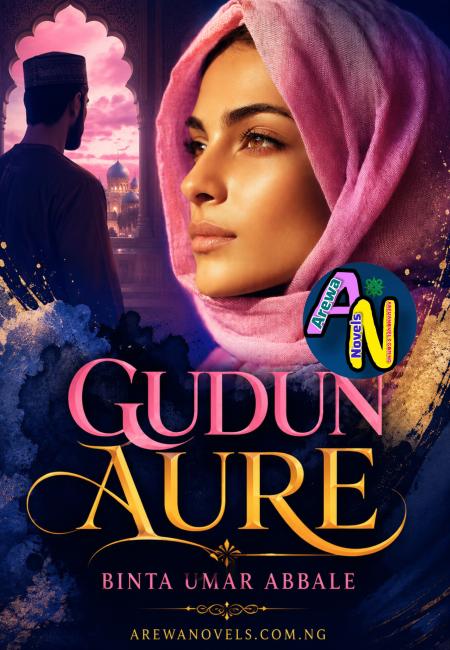
Extended Story Summary
The narrative delves deeper into the complex psychological and tactical gridlock gripping the characters within the hidden fortress of Agadez. Following the confrontation with the captured conspirators, Haisam confronts the sobering reality of the bloodlines tied to Tamim and the victims of past atrocities. The introduction of Safeena's long-lost firstborn son serves as a massive emotional catalyst, bridging the gap between historical trauma and the present-day stakes. Haisam's resolve to dismantle the compound ("Beeno, I want this house erased") underscores a definitive shift from containment to total eradication of the threat vectors.
Parallelly, Akhnan experiences a profound internal metamorphosis. Moving past the initial disorientation and trauma of her near-assassination, she finds psychological anchor points in spiritual discipline. Her transition from viewing the automated calls to prayer as an annoyance to seeking genuine intellectual enlightenment within His Highness's library highlights her growth. She is no longer just a passive survivor or a royal figurehead, but an active seeker of truth, drawing subconscious strength from Haisam's earlier teachings.
Meanwhile, Haisam grapples with the ghosts of his professional and personal history, specifically the manipulative shadow cast by Zeenatun Zaituna. His protective instincts over Akhnan reach a fever pitch, culminating in strict isolation orders against Zaituna. The chapter closes as Haisam prepares to transition back into his operational role, meeting with Omar and Bobbo Muhammad Dawud, maintaining the relentless tension of a world built on secrets, power dynamics, and shifting loyalties.
Detailed Character & Environmental Description
- The Agadez Villa Architecture: The setting is characterized by its deceptive duality—unassuming and ordinary from the exterior perimeter, but structurally labyrinthine and fortified on the inside. It represents a maze of hidden sectors, hazardous junctions ("the heart of the house"), and tightly controlled access corridors where movement is strictly regulated by custom and security protocols (such as clearing pathways before Akhnan or Haisam travel).
- Haisam (Miskili Zam): Portrayed with a striking physical presence—broad-shouldered, athletic, and towering—yet burdened by heavy emotional weight. His persona shifts fluidly between a cold, calculating security director and a deeply vulnerable protector. His signature style (black trousers, dark olive-green shirt) matches his austere, commanding aura.
- Akhnan: Embodying quiet elegance and royal composure, she is depicted transitioning from a state of shock into one of intellectual and spiritual autonomy. Her retreat into the library symbolizes a reclamation of her mind away from the violent chaos of her external circumstances.
The Antagonistic Legacy: Characters like Tamim and Zeenatun Zaituna cast a long, psychological shadow. Tamim’s hardened cynicism and Zaituna's calculated malice serve as psychological friction points that force Haisam to constantly weigh ethical boundaries against absolute security.
Deep-Dive Analytics
- Narrative Structure & Dual Perspectives: The text utilizes a split-focus structure, alternating between Haisam’s tactical command center and Akhnan’s private sanctuary. This juxtaposition contrasts external political-criminal danger with internal spiritual healing, heightening the emotional resonance of the plot.
- Symbolism of Control and Movement:
- Restricted Paths: The rule requiring all movement to halt when Akhnan or Haisam traverses the villa symbolizes absolute, authoritarian control, yet it also highlights their profound isolation.
- The Qur'an and Adhan: These serve as motifs of spiritual realignment. What was once perceived by Akhnan as institutional constraint transforms into a psychological sanctuary.
- Thematic Conflict (Nature vs. Nurture / Lineage vs. Identity): The introduction of Safeena's son and the mention of Aba Jifar's bloodline emphasize the inescapable gravity of heritage in this universe. Characters are perpetually defined—and hunted—by who their ancestors were, making self-determination a hard-fought battle.