AN
AN
 Free
FreeGidan littattafan Hausa na zamani
FreeDescription
Comprehensive Summary, Description, and Analytics
Expanded Summary
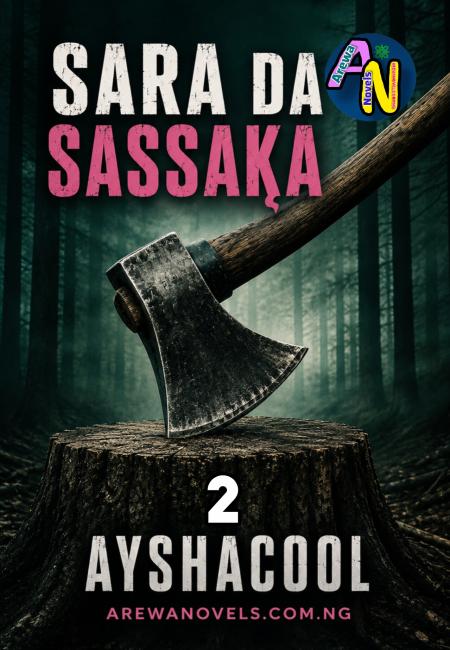
The narrative of Sara Sassaƙa... weaves together multiple threads of political corruption, generational trauma, and personal vengeance set against the backdrop of a stratified northern Nigerian society.
- The Prologue of Flight and Political Machinations: The story opens on a stormy night as an unnamed man helps a young boy escape a violent purge, telling him to flee before dawn. Concurrently, a wealthy, aging political heavyweight meets with cronies to discuss manipulating the upcoming presidential election. They cynically plot to use security forces to instill fear and maintain their iron grip on power, illustrating how macro-level political greed trickles down to destabilize ordinary communities.
- The Tragedy at Yelwa: The core emotional weight centers on Yelwa village, where ethnic and social tensions run high. Iro, a young herder, returns after months away. He is suddenly abducted, falsely accused of attempted assault by Saleh (the son of the town's ruling leader), and brutally tortured. Despite the family's desperate pleas and innocence, Iro is left tied to a tree overnight in a torrential downpour and dies. His grieving sister, burning with a vow of vengeance, swears to expose the false accuser and ensure her brother's blood does not flow in vain.
Contemporary Subplots: The narrative transitions to everyday life years or months later, introducing Alina, a young schoolgirl who senses a creepy, bloodshot-eyed young man stalking her path home, and Ramata (Rahma). Ramata is a bright, educated young woman living with her grandfather, Baffa. While striving to continue her education, she faces heavy societal prejudice and religious skepticism orchestrated by the ruling class, who fear educated women as a threat to their dominance.
Expanded Description
- Literary Classification: Contemporary Hausa Fiction / Socio-Political Drama / Tragedy.
- Literary Movement: Modern Northern Nigerian Literature (often associated with Littattafan Soyayya and social-conscious prose groups like Young Talented Writers Association - YOTA).
- Atmospheric Tone: Somber, suspenseful, oppressive, and deeply emotional. The author heavily relies on pathetic fallacy—using heavy storms, darkness, and bloodshot imagery—to mirror the moral decay and internal turmoil of the characters.
Core Conflict: The struggle between systemic tyranny (represented by Saleh and the elite elders) and individual dignity, justice, and survival (represented by Iro's sister, Ramata, and Baffa).
Advanced Literary Analytics
- Thematic Architecture:
- Injustice and Impunity: The abuse of power by local elites who act above the law, framing the innocent without accountability.
- The Burden of Inheritance: Characters inherit not just property, but systemic blood feuds and societal oppression ("gadon bashin gabar").
- Gender and Knowledge: Ramata's pursuit of education highlights knowledge as a double-edged sword—a tool for liberation and an excuse for the oppressors to marginalize her family.
- Narrative Structure: Utilizes a non-linear frame narrative. It starts in media res with an escape, flashes back to establish the deep historical trauma of Iro's murder, and then moves to contemporary subplots involving Alina and Ramata, creating an expansive canvas of a community choked by fear.
- Character Archetypes:
- The Tyrant / Oppressor: Saleh and the political elites, driven by ego, greed, and ruthless control.
- The Stoic Elder: Baffa, representing wisdom, resilience, and caution in a hostile environment.
The Vengeful Protagonist: Iro's sister, whose grief transforms into a calculated, burning resolve for justice.
Comprehensive Description & Analytics Matrix
CategoryKey DimensionsDetailed Breakdown & Analytical InsightSetting & EnvironmentRural vs. Urban / Climatic SymbolismSet in Yelwa village and political hubs. The heavy rainy season storms act as a psychological mirror, representing brewing conflicts, cleansing, and overwhelming grief.Character DynamicsPower AsymmetryStark contrast between the untouchable ruling class (Saleh, political godfathers) and the subjugated pastoralists/farmers (Baffa's family, Iro).Plot ProgressionEpisodic / Multi-ThreadedInterweaves political thriller elements (election rigging) with intimate domestic tragedy (Iro's murder) and coming-of-age tension (Alina and Ramata).Stylistic DevicesIdioms & ImageryEmploys rich Hausa cultural metaphors ("tushiya masomar dawa"), visceral physical descriptions of trauma, and suspenseful cliffhangers typical of serialized fiction.Underlying MessageSocial CritiqueA critical look at impunity, corruption in governance, the weaponization of security, and the psychological scars left on generations trapped in systemic oppression.